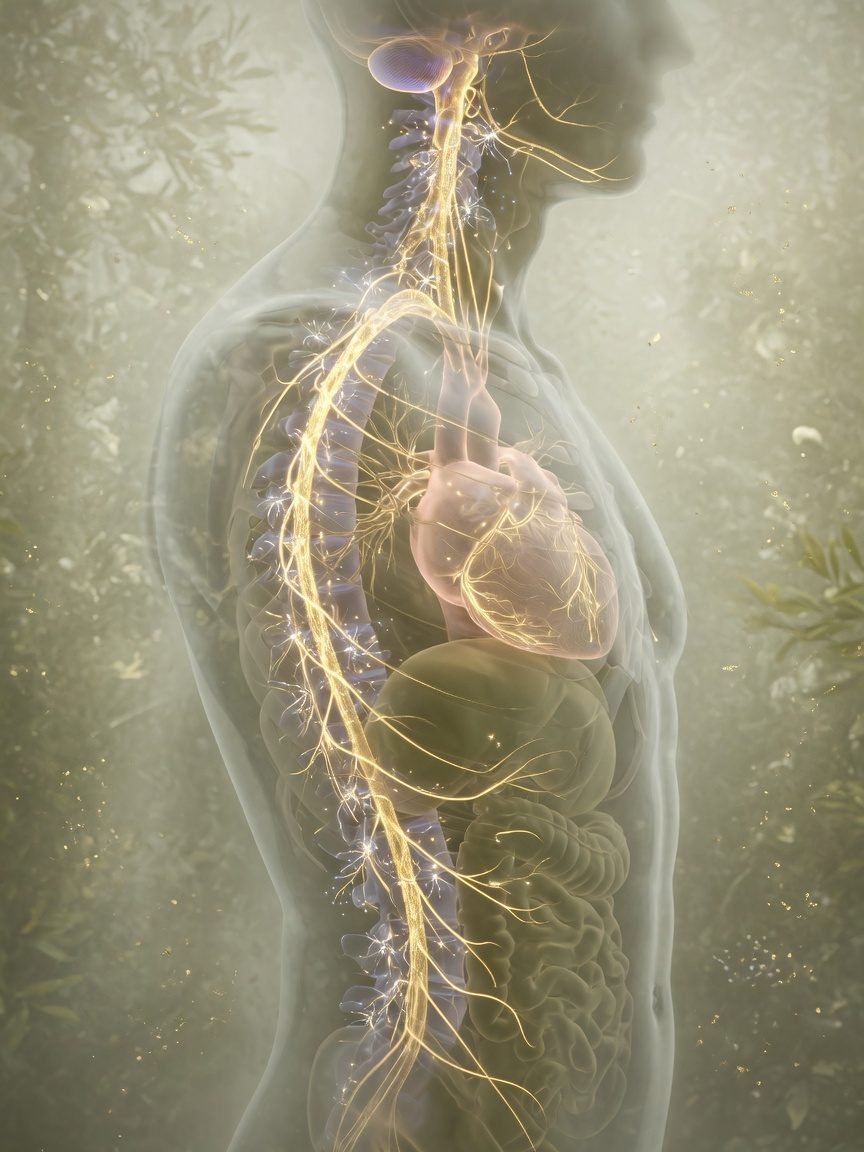

In a world where chronic stress and unresolved trauma affect millions, Shaking Medicine emerges as a powerful somatic modality rooted in ancient instincts and modern neuroscience.
Developed by Dr. Keith Motes (PhD in Quantum Physics / Yoga & Qi Gong Teacher), this practice harnesses the body's innate-instinctive ability to tremble and release pent-up tension, promoting holistic healing.
Imagine observing a gazelle narrowly escaping a predator—it doesn't dwell on the fear; instead, it shakes spontaneously to reset its system.
This natural response, observed across the animal kingdom, is the backbone of Shaking Medicine, helping humans discharge stress, anxiety, trauma, and more to restore equilibrium, balance, and homeostasis.
Shaking Medicine isn't just anecdotal; it's grounded in biology and neuroscience. Over billions of years, our nervous system evolved this mechanism to survive threats, and today, it offers a pathway to reclaim well-being in our fast-paced lives. This is hygiene for our nervous system!
How Shaking Medicine Works
Shaking Medicine
How the tremor meets the nervous system
Stress and trauma stay stored when the system cannot complete its reset.
Neurogenic therapeutic tremoring discharges that charge through the body.
The shift toward rest-and-digest tones the vagus nerve and the HPA axis.
The system returns toward balance — the same reset other mammals use.
This is the same instinctive mechanism animals use after threat. Shaking Medicine creates the conditions of safety so it can finish in a human nervous system.

Evolutionary Roots: Why Shaking Is Nature's Reset Button

From an evolutionary standpoint, neurogenic therapeutic tremoring— the scientific term for involuntary shaking (coined by Dr. David Berceli)—serves as a survival tool.
Animals in the wild instinctively tremble after a stressful encounter to discharge stress, adrenaline, cortisol, trauma and more from building up preventing long-term health issues. This process restores the body to homeostasis, a state of internal balance where healing thrives.
Animals in nature typically never go far out of this state of homeostasis as they use this mechanism to bounce right back into balance after a stressful or traumatic experience. This article from Healthline knows what we're talking about.
In humans, modern life often traps us in chronic sympathetic activation, diverting energy from digestion and repair to survival modes like fight or flight. Shaking Medicine reactivates this forgotten instinct that is genetically encoded in our DNA, allowing the body to "shake off" accumulated stress.
Similar practices appear in indigenous traditions and somatic therapies, such as Zifa Gong in Qigong, where spontaneous movements clear energy blockages and enhance vitality.
By embodying Shaking Medicine, practitioners will clear the blockages where this acts like nervous system hygiene and tone their nervous system for greater resilience.
Decoding the Autonomic Nervous System: Sympathetic vs. Parasympathetic Dynamics
Autonomic nervous system
Two divisions. One job: keep you alive.
Parasympathetic
Rest · digest · repair
Craniosacral outflow — vagus nerve (CN X) plus sacral nerves. Conserves energy and turns healing on.
- Heart rate slows
- Breathing deepens and slows
- Digestion and gut motility turn on
- Blood pressure eases
- Pupils constrict
- Saliva and digestive enzymes increase
- Immunity and tissue repair are favoured
Sympathetic
Fight · flight · mobilize
Thoracolumbar outflow — spinal nerves T1–L2. Mobilizes energy for short-term survival.
- Heart rate and force increase
- Breathing quickens; bronchi dilate
- Digestion is inhibited
- Blood pressure rises
- Pupils dilate
- Glucose is released for fuel
- Adrenaline and cortisol surge
Both branches are healthy. The problem is getting stuck in sympathetic activation. Shaking Medicine helps the system complete the cycle and return toward parasympathetic restoration — downregulating the HPA axis as it does.


At the heart of Shaking Medicine lies the autonomic nervous system (ANS), which regulates involuntary functions like heart rate, breathing, digestion, immunity, this therapeutic tremoring mechanism, and more.
The ANS operates through two primary branches: the sympathetic, which mobilizes for fight, flight, freeze, or fawn during stressful situations, and the parasympathetic, which promotes rest, digest, and recovery.
When danger looms, the sympathetic mode ramps up: blood flows to muscles for escape, digestion halts, and adrenaline surges.
This is a very important adaptation in the short-term for getting out of danger but very harmful when it is prolonged and we get stuck there, which is so common in our culture today, leading to issues like chronic anxiety, digestive disorders, insomnia, mental health issues and much more.
The parasympathetic mode, conversely, optimizes the healing functions of our body by slowing down the heart, deepening the breathing, allowing efficient digestion, and fostering a calm, centered and clear body and mind.
Shaking Medicine facilitates the shift from sympathetic dominance to parasympathetic restoration. Through tremoring, it releases aches, pains, muscular tensions, anxiety, blocked emotions, trauma and more signaling safety to the brain and downregulating the hypothalamic-pituitary-adrenal (HPA) axis to reduce excess stress hormones.
This not only clears blockages in neural pathways but also enhances communication between the central nervous system (brain and spinal cord) and peripheral nerves, including key ones like the vagus and trigeminal nerves.
Polyvagal Theory: Climbing the Ladder to Safety and Connection
Polyvagal theory · Shaking Medicine
Three states. One ladder back to safety.
Ventral vagal
Open, safe, socially engaged. Myelinated vagus — face, voice, heart. This is where connection and repair live.
Sympathetic
Fight or flight. Mobilized to meet a threat. Useful in bursts — costly if it never stands down.
Dorsal vagal
Shutdown, freeze, collapse. Unmyelinated vagus. Numbness, dissociation, “not here.”
Dr. Stephen Porges’ hierarchy: the newest circuit (ventral vagal) comes online when we feel safe. Shaking Medicine helps the body climb from defensive or frozen states toward ventral vagal safety and connection by discharging charge and toning the vagus.

Dr. Stephen Porges’ Polyvagal Theory offers a profound framework for understanding how Shaking Medicine supports emotional regulation and healing.
This theory describes how the vagus nerve—the main component of the parasympathetic nervous system—regulates our physiological states through three hierarchical pathways:
- Ventral Vagal State: A sense of openness, safety, and social connection.
- Sympathetic State: The fight-or-flight response, mobilizing us to face perceived threats.
- Dorsal Vagal State: A shutdown or freeze response, often linked to dissociation or numbness.

When people experience chronic stress or trauma, their nervous system can become trapped in the lower (sympathetic or dorsal vagal) states.
This can manifest as anxiety, hypervigilance, depression, emotional disconnection, mental health issues, and so much more—hindering both our health and relationships.
Shaking Medicine facilitates a natural process of “climbing the vagal ladder,” moving us out of sympathetic states and into parasympathetic states.
Through spontaneous, neurogenic tremoring, it gently discharges stored tension and reawakens the body’s innate rhythm of regulation. This process activates, soothes, and tones the vagus nerve, helping shift the system from defensive or frozen states toward ventral vagal safety and connection.
The vagus nerve, sometimes called the wandering nerve, extends from the brainstem through the heart, lungs, and digestive tract—linking brain and body in continuous dialogue.
By toning this nerve through Shaking Medicine, practitioners often experience enhanced emotional resilience, improved organ function, and a deeper sense of inner peace.
Ultimately, Shaking Medicine offers a somatic inside-out pathway to restore balance in the autonomic nervous system from within—supporting physical health, physiological harmony, emotional wellbeing, and mental health (see benefits blog).
Here are some key references supporting PVT in Shaking Medicine: 1. PVT article by Porges, 2. TRE & PVT, 3. Somatic Experiencing and PVT.
Brain Waves and Neuroplasticity: Rewiring for Flow States and Healing

Shaking Medicine also impacts brain wave patterns, shifting from fast, chaotic beta waves (associated with stress) to slower alpha and theta states (linked to relaxation, creativity, great sleep, and meditation).
This transition supports neurogenesis—the growth of new neural connections—and neuroplasticity, rewiring pathways disrupted by trauma. It also supports our ability for accurate and more responsive neurception.
Technical brain wave ranges include:
- Gamma (30-100 Hz): Insight and synchronization.
- Beta (12-30 Hz): Alertness, but high levels signal anxiety.
- Alpha (8-12 Hz): Relaxed focus.
- Theta (4-8 Hz): Meditation and visualization.
- Delta (0.5-4 Hz): Deep restoration.
Shaking Medicine very effectively induces slower brainwave states clearing stuck patterns, enhancing brain-body coordination, relaxing the overstressed and logical thinking mind, and improving overall well-being.
In Yogic terms, Shaking Medicine induces states of meditation spontaneously similar to how the neurogenic therapeutic tremors themselves are spontaneous.
In everyday terms, slower waves foster peace, while fast waves foster stress. That is unless the fast waves become harmonious, where "flow states" for peak performance arise, which Shaking Medicine is great at inducing.
The Subconscious Mind: Processing Timeless Trauma

The subconscious mind (connected to our ANS) typically operates beyond conscious awareness, seamlessly managing vital functions like breathing and heartbeat.
Unlike the conscious mind, which processes experiences linearly within the constraints of time, the subconscious mind exists in a sort of timeless realm where trauma remains as vivid and intense as the day they occurred, even if the conscious mind has largely forgotten or not.
These unresolved traumas can profoundly influence our mental, emotional, and physical well-being, manifesting as chronic anxiety, tension, or unexplained reactive behaviors even if the logical mind thinks that the event happened so long ago that it must not be affecting it anymore. Time doesn't heal all wounds.

Sometimes these wounds get frozen into the deepest parts of our subconscious that they become numb to us and we forget about them, but they are most likely still having a significant impact on our life.
Shaking Medicine connects into these subconscious parts of us through our innate tremor mechanism. Similar to how we can bridge our conscious and subconscious minds through our breath by changing our breath, which is normally autonomous, we can consciously and intelligently explore our instinctive tremor mechanism to bridge the conscious and subconscious minds.
This bridge into the subconscious layers of the mind and nervous system allows us to tap into and release those frozen-numb-suppressed emotions and traumas without necessarily needing to talk about it, offering a safe and effective way to process trauma that may generally elude conscious awareness. Talk therapy may be complimentary here though we feel like Shaking Medicine is the massive missing piece of the puzzle for complete and holistic healing.
Much like learning to drive, the practice of Shaking Medicine quite quickly transforms from a 'practice' into an evermore instinctive and intuitive process as it is when we are born and in animals in nature. The body awakens and remembers its profound ability to self-regulate with its tremor mechanism, diminishing the hold of past trauma and fostering resilience as it moves into homeostasis.
The nervous system releases deeply held stress, creating a foundation for lasting physical, emotional, and mental resilience, sensitivity, and balance as it releases trauma trapped in the timelessness of the subconscious.
Hormonal Harmony and Long-Term Benefits
Shaking Medicine promotes hormonal balance by upregulating "feel-good" hormones like oxytocin, known for fostering connection and calm, and serotonin, which enhances mood and emotional well-being.
Concurrently, it reduces stress hormones such as cortisol and adrenaline, which are often elevated due to unresolved trauma or chronic stress. This regulation stabilizes the hypothalamic-pituitary-adrenal (HPA) axis, mitigating the effects of prolonged stress, including adrenal fatigue, immune dysfunction, and emotional instability.
By fostering a healthier hormonal profile, Shaking Medicine supports sustained emotional clarity, mental focus, and physical vitality, creating a foundation for long-term well-being across all levels of health.
Evidence from Related Modalities: Insights from TRE and Beyond

Scientific research on somatic tremor therapies, particularly Trauma Release Exercises (TRE) developed by Dr. David Berceli, supports Shaking Medicine's principles.
TRE uses a targeted sequence to evoke neurogenic tremors, discharging chronic tension. Key studies include:
- A 2014 pilot with 21 caregivers showed 10 weeks of self-induced tremors improved quality of life, including life enjoyment (P < .05) and emotional resilience, with 91.3% adherence.
- A 2023 study on at-risk boys with complex trauma found TRE reduced symptoms and enhanced coping.
- A controlled trial with veterans showed TRE lowered PTSD symptoms via parasympathetic activation.
- Research on multiple sclerosis patients reported reduced stress and trauma symptoms post-TRE.
- And more!
You can find the research from TRE on therapeutic tremoring right here.
These findings affirm tremor-based therapies' benefits for PTSD, anxiety, and chronic pain, aligning with Shaking Medicine's focus and our thousands of anecdotal testimonies — See 272 Additional Wins Right Here.

Related somatic modalities like Somatic Experiencing also reduce PTSD through body-centered release. Some key books informing Shaking Medicine include:
- Shaking Medicine: The Healing Power of Ecstatic Movement (2007) by Dr. Bradford Keeney – Explores ecstatic shaking's roots from an indigenous perspective.
- Waking the Tiger: Healing Trauma (1997) by Dr. Peter Levine – Details somatic trauma discharge.
- The Body Keeps the Score: Brain, Mind, and Body in the Healing of Trauma (2014) by Dr. Bessel van der Kolk – Examines trauma's physiological impacts.
- Trauma Releasing Exercises (TRE): A Revolutionary New Method for Stress/Trauma Recovery (2005) by Dr. David Berceli – Outlines TRE's mechanics.
- Why Zebras Don’t Get Ulcers (1994) by Dr. Robert Sapolsky – Explains stress's evolutionary biology.
- Bioenergetics: The Revolutionary Therapy That Uses the Language of the Body to Heal the Problems of the Mind (1975) by Dr. Alexander Lowen – Emphasizes body-mind integration.
At the Shaking Medicine Foundation, founded by Dr. Keith R Motes, we are committed to advancing research through our own studies and academic collaborations. We are actively seeking funding from grants, philanthropists, and organizations to scale these efforts and make Shaking Medicine mainstream. If you're a researcher, funder, or wellness advocate, connect with us to expand the research of this modality.
Key Takeaways
- Evolutionary Mechanism: Shaking Medicine leverages the body's innate neurogenic tremoring to release stress and trauma, a survival tool observed in animals.
- Autonomic Balance: It shifts the nervous system from sympathetic (fight/flight) to parasympathetic (rest/digest), promoting healing and homeostasis.
- Polyvagal Support: By stimulating the vagus nerve, Shaking Medicine fosters emotional regulation and social connection, aligning with Polyvagal Theory.
- Neuroplasticity: Tremoring supports new neural pathways, enhancing brain-body coordination and reducing trauma's lingering effects.
- Scientific Backing: Studies on TRE and related somatic therapies validate benefits like reduced PTSD, anxiety, and improved resilience, supporting Shaking Medicine’s approach.
- Research Commitment: Shaking Medicine seeks funding and collaborations to conduct rigorous studies, aiming to establish it as a mainstream therapeutic modality.
Voices from the community
What people are noticing
Real words from the community. Discover 272 additional wins →